
Mt.Fuji Off-Season Climbs
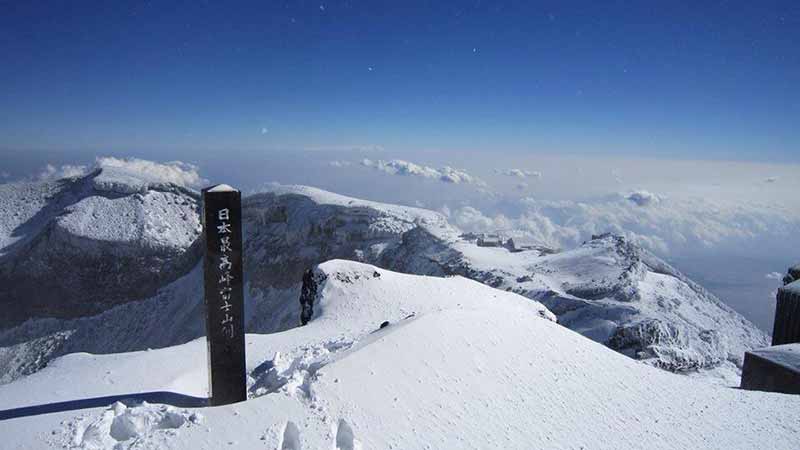
Mt. Fuji Off-Seasons Climbs (May)
Is it safe to climb Mt. Fuji in the off-season?
When asked this question by climbers, we reply. “When in the off-season do you want to climb?" As a general rule the further away from the climbing season you get, the greater the danger and the closers to the official climbing season which is from July 1st to September 10th is less the dangerous. When climbing Mt. Fuji, a great deal depends on the weather. It is difficult to approximate when the best date to climb is, as the climate is forever changing. You may have a dreadful awful rainy/windy day in August and a beautiful sunny day in October. The weather on the day of your climb plays a large part of how risky your climb may be. We have arranged a Mt. Fuji Climb from May to November and some of my most pleasant climbs have come during the off-season. Doing a one-day climb in May, June or late September with the right equipment, right weather a professional guide and the right friends can be extremely enjoyable and much less crowded than in-seasons climbs. (See Mt. Fuji Equipment list)
Are off-season Mt. Fuji climbs allowed?
Contrary to popular belief, climbing Mt. Fuji outside the official climbing season is permitted. Upon reaching a Fuji trailhead in the off-season however, one will encounter signposts that say that the trail is closed. These signs are an indirect way of saying, "climb Mt. Fuji at your own risk". It is best to note that the risk of climbing Fuji in the off-season increases substantially as compared to climbing during the official season and we only recommend you climb in the off-season with a professional guide. (See Off-Season Tour Climb Dates)
What are the conditions like in the off-season?
Climbing Mt. Fuji, a couple of months before or after the climbing season poses some risk; however, climbing during the winter offseason after Mid-November greatly increases the risks, as the dangers and hazards rise. Unless you are a professional climber, I would unequivocally avoid climbing Mt. Fuji during the deep winter months (any month from November to March). As an example, during these months, wind chill temperatures of -30C are common above the 8th station and all trails from November to April are completely covered in snow and ice, so it is easy to get lost. Mt. Fuji occasionally has horrendous winds (40m/sec~50m/sec), especially in the winter.
From late April through late June, and usually starting from late October you can expect snow/ice on the trails leading up to the summit of Mt. Fuji and snow crampons/hiking poles are necessary for a safe climb. If you are an experienced hiker and interested in doing a summit climb during the months of May, June, September or October we would have happy to arrange a customer climb for your group. (See Off-Season Climbing Tours)
For more information on Mt. Fuji off-Season Climb please click the button below:
When asked this question by climbers, we reply. “When in the off-season do you want to climb?" As a general rule the further away from the climbing season you get, the greater the danger and the closers to the official climbing season which is from July 1st to September 10th is less the dangerous. When climbing Mt. Fuji, a great deal depends on the weather. It is difficult to approximate when the best date to climb is, as the climate is forever changing. You may have a dreadful awful rainy/windy day in August and a beautiful sunny day in October. The weather on the day of your climb plays a large part of how risky your climb may be. We have arranged a Mt. Fuji Climb from May to November and some of my most pleasant climbs have come during the off-season. Doing a one-day climb in May, June or late September with the right equipment, right weather a professional guide and the right friends can be extremely enjoyable and much less crowded than in-seasons climbs. (See Mt. Fuji Equipment list)
Are off-season Mt. Fuji climbs allowed?
Contrary to popular belief, climbing Mt. Fuji outside the official climbing season is permitted. Upon reaching a Fuji trailhead in the off-season however, one will encounter signposts that say that the trail is closed. These signs are an indirect way of saying, "climb Mt. Fuji at your own risk". It is best to note that the risk of climbing Fuji in the off-season increases substantially as compared to climbing during the official season and we only recommend you climb in the off-season with a professional guide. (See Off-Season Tour Climb Dates)
What are the conditions like in the off-season?
Climbing Mt. Fuji, a couple of months before or after the climbing season poses some risk; however, climbing during the winter offseason after Mid-November greatly increases the risks, as the dangers and hazards rise. Unless you are a professional climber, I would unequivocally avoid climbing Mt. Fuji during the deep winter months (any month from November to March). As an example, during these months, wind chill temperatures of -30C are common above the 8th station and all trails from November to April are completely covered in snow and ice, so it is easy to get lost. Mt. Fuji occasionally has horrendous winds (40m/sec~50m/sec), especially in the winter.
From late April through late June, and usually starting from late October you can expect snow/ice on the trails leading up to the summit of Mt. Fuji and snow crampons/hiking poles are necessary for a safe climb. If you are an experienced hiker and interested in doing a summit climb during the months of May, June, September or October we would have happy to arrange a customer climb for your group. (See Off-Season Climbing Tours)
For more information on Mt. Fuji off-Season Climb please click the button below:
My Tokyo Guide |
Mt. Fuji |
|

My Tokyo Guide is a member of the All Nippon Travel Agents Association (ANTA)
Copyright © My Tokyo Guide Inc. All Rights Reserved | 2008 - 2024 |