• Narrow screen resolution
  • Wide screen resolution
  • Wide screen resolution
  • Increase font size
  • Decrease font size
  • Default font size
OOPS. Your Flash player is missing or outdated.Click here to update your player so you can see this content.

Culture Tips

We have compiled a handy guide to let you know a few do's and don'ts to remember when traveling in Japan. The Japanese are genuinely very friendly and easy-going when it comes to welcoming westerners to their country. Of the points below, its unlikely that you will really offend anybody with the odd misunderstanding.

Everywhere...Everyone takes their shoes off

Cleanliness is next to godliness, and the Japanese try to get as close as they can. If there is a 'genkan' hallway [usually with tiled floors and a step] this is your cue to take your shoes off before stepping onto lush tatami mat or wooden floors. Many restaurants and temples will provide a shoe cupboard for you to place your shoes into. When using the restroom in a place where you have already taken off your shoes, there will be special bathroom only slippers inside the restroom. These slippers should be left in the restroom when you are finished. Many make the mistake of forgetting to take of these slippers off and using them in the common area.

Sitting on the Floor If you'll be visiting someone's home, attending a tea ceremony or dining in an upscale Japanese restaurant, the proper way to sit is with your knees tucked under your thighs. But, since many people find this difficult and even painful, it is acceptable to sit cross-legged "Indian-style". However, it is less acceptable to sit with your legs stretched out in front of you.

Blowing Your Nose in public or blowing your nose with a handkerchief......isn't super-polite, but then you are unlikely to offend anyone too deeply. Try to sniffle until you get to a restroom.

Surgical Masks When traveling around Japan you may encounter people with their nose and mouth covered by a surgical mask. No, they are not trying to protect themselves from the city air. (Actually, Japan's air quality is the highest in Asia). They are protecting themselves from pollen if they have hay fever and protecting others from their germs if they have a cold. This is especially considerate on crowded subways.

In restaurants or bars...Nobody pours their own drink,

When in a bar, restaurant or 'izakaya' restaurant and enjoying the local brew or sake, its the done thing to fill up your friends' glasses if they even come close to emptying. For westerners, this has the disconcerting effect of not being able to count just how many glasses of Asahi or Kirin you have had.

EATING HABITS

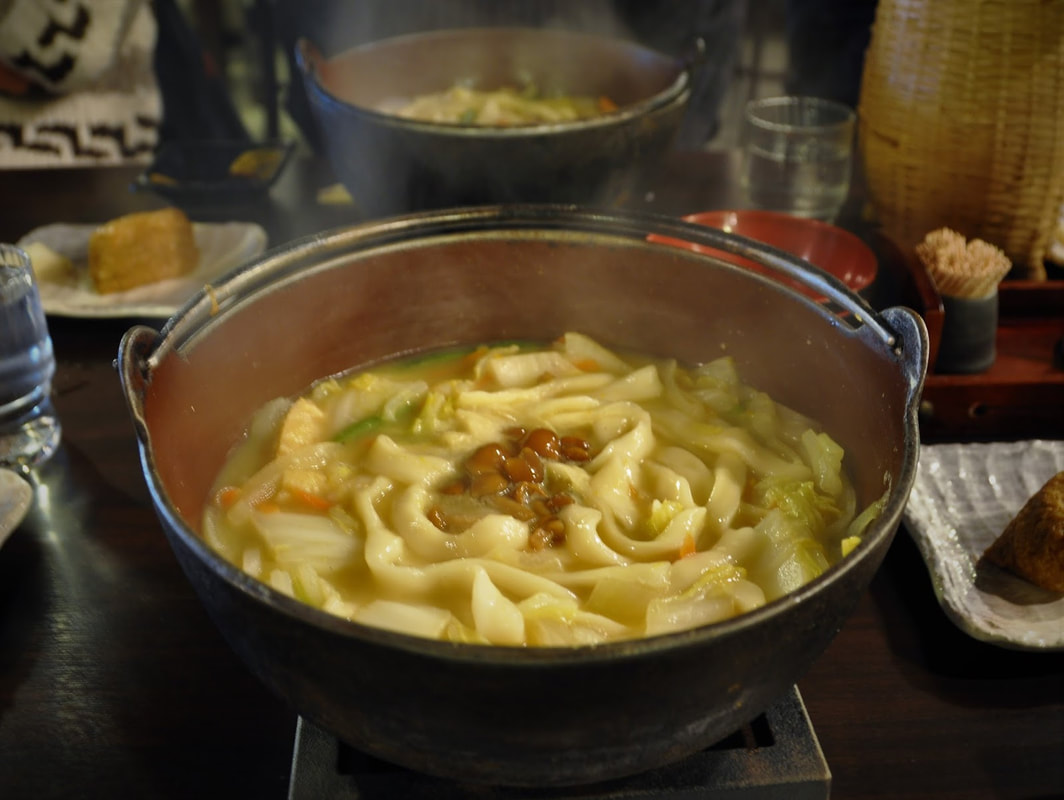
Soup: Making loud, "sipping" sounds while eating noodle soup is perfectly acceptable. Also you will not eat soup with a spoon. You will use your chopsticks for the noodles, meat and vegetable, and drink the soup by bringing the bowl to your mouth.

Sushi: When eating sushi, try not to soak your rice in the soy sauce. Dip the top portion with the fish into the sauce and put the sushi into your mouth with the fish top facing down upon your tongue, so you can savor the flavor.

Rice: When you have finished eating your rice, put the chopsticks down along the side of your plate. Usually chopstick holders are provided. Best to avoid passing food from your chopsticks to a friend's chopsticks, This is similar to a funeral rite in Japan, and hence not really the thing done in public. Also do not stick you chopsticks straight up in a bowl of rice as this is how rice is served to the dead. Finally, only babies have soy sauce poured on their bowl of rice, But if you really can't get used to just eating a bland bowl of rice by itself, who cares?

Pay at the till, not the table, in about 90% of all restaurants - no idea why. There's no need to tip, actually, you are more likely to cause offence if you do try to give a tip at the restaurant.

In the onsen spa bath...
Bathing in Japan has a 1,000 year history. To truly experience Japanese culture, you must take a bath. You can bathe at a city bathhouse or in the comfort of your own "ryokan," (Japanese-style inn) but perhaps the best experience is at one of Japan's ubiquitous hot spring spas. hot spring resort areas are all over Japan. They exist in the mountains and on the seacoast, amongst the snow in Nagano and in the Sulfur Springs of Beppu on Southern Kyushu Island. There are many rules to follow when taking a bath.
Japanese way of bathing, Shower first, often using the soap and little stools provided, rinse thoroughly, and then bathe. If you take soap into the bath, the hotel or onsen will have to drain the bath entirely and re-fill it.

Naked as the day you were born! Bathing in Japan is always naked. This is why 90% of the public onsen spa baths are segregated between males and females. Wearing swimming trunks or swimsuits isn't the done thing. If semi-public nudity isn't your thing, many hotels will have 'kashi-kiri' baths: private baths that you can rent out by the hour.

The blue curtain is the male bath, and the red or pink curtain is the ladies bath

men-women.gif

Its easy to forget this after a long flight to Tokyo. We've had customers who forgot and didn't realise until well after they entered the onsen.